Mapping Payment Options to Loyalty Reward Progressions in Smartphone Gaming Environments
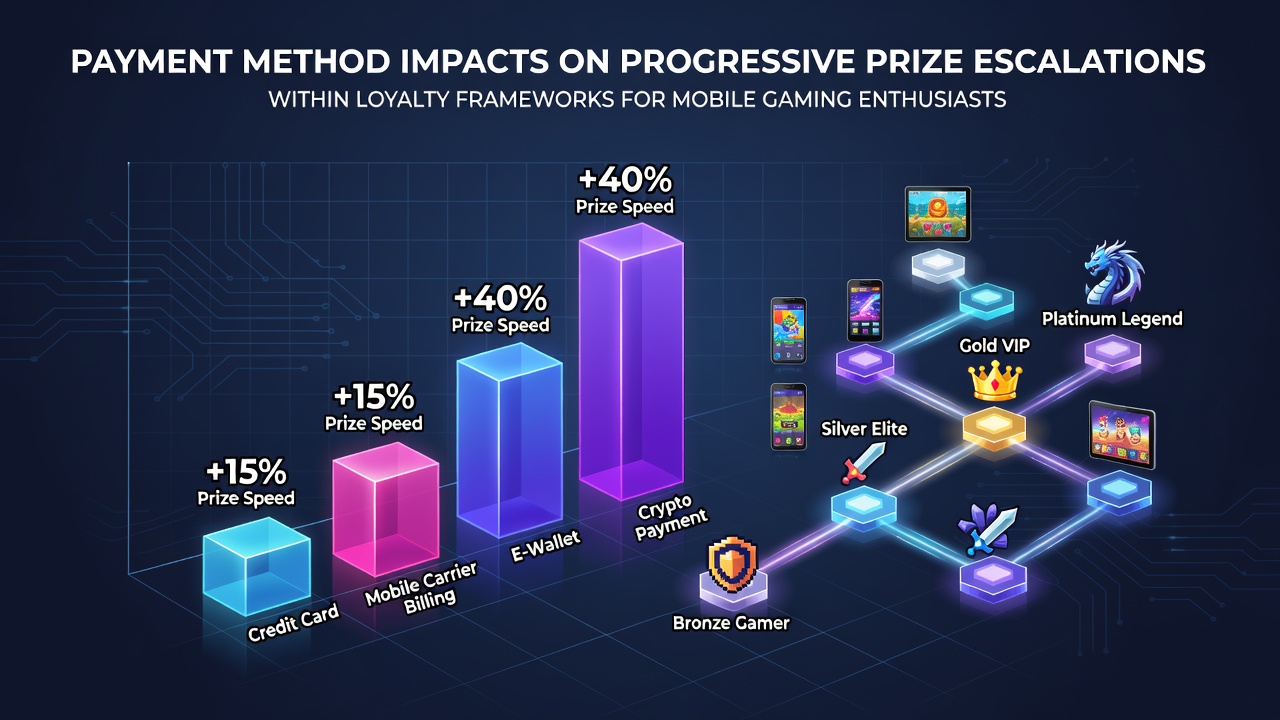
Payment methods shape how progressive prize pools expand within loyalty structures across mobile gaming platforms, and data from industry reports tracks these connections through transaction volumes and reward multipliers. Observers note that e-wallet transfers often accelerate point accumulation rates compared to traditional card processing, while bank transfers introduce delays that affect escalation timelines in real time.
Core Mechanics of Payment Integration in Loyalty Systems
Payment gateways connect directly to loyalty databases in many mobile applications, where transaction speed determines the rate at which players advance through tiers and unlock higher jackpot contributions. Studies from research institutions show that instant confirmation methods feed into algorithms that scale prize pools faster, whereas slower verification routes create bottlenecks in the escalation chain. Those who examine transaction logs across platforms find that digital wallets trigger bonus multipliers more frequently because they reduce processing intervals from hours to seconds.
August 2026 brought new reporting standards in several jurisdictions that require operators to disclose how deposit types influence reward calculations, and these disclosures reveal measurable differences in prize growth curves. Figures from regulatory filings indicate that regions with streamlined payment oversight see steadier escalation patterns in loyalty-linked jackpots.
Comparative Effects Across Deposit Categories
Credit and debit card transactions maintain steady integration with loyalty frameworks yet incur authorization holds that can pause progressive contributions during peak activity periods. In contrast, cryptocurrency options provide near-instant ledger updates that align with dynamic prize multipliers, allowing loyalty points to compound without interruption. Researchers at academic centers have documented cases where players using these faster routes reached elevated tiers weeks ahead of those relying on conventional banking rails.
Prepaid card usage presents another pattern, where fixed load amounts limit the volume of contributions to prize pools per session, which in turn caps escalation velocity within loyalty bands. Data collected from platform analytics shows this effect compounds over multiple cycles, resulting in slower progression for users who favor prepaid methods exclusively.
Regional Regulatory Influences on Transaction Flows
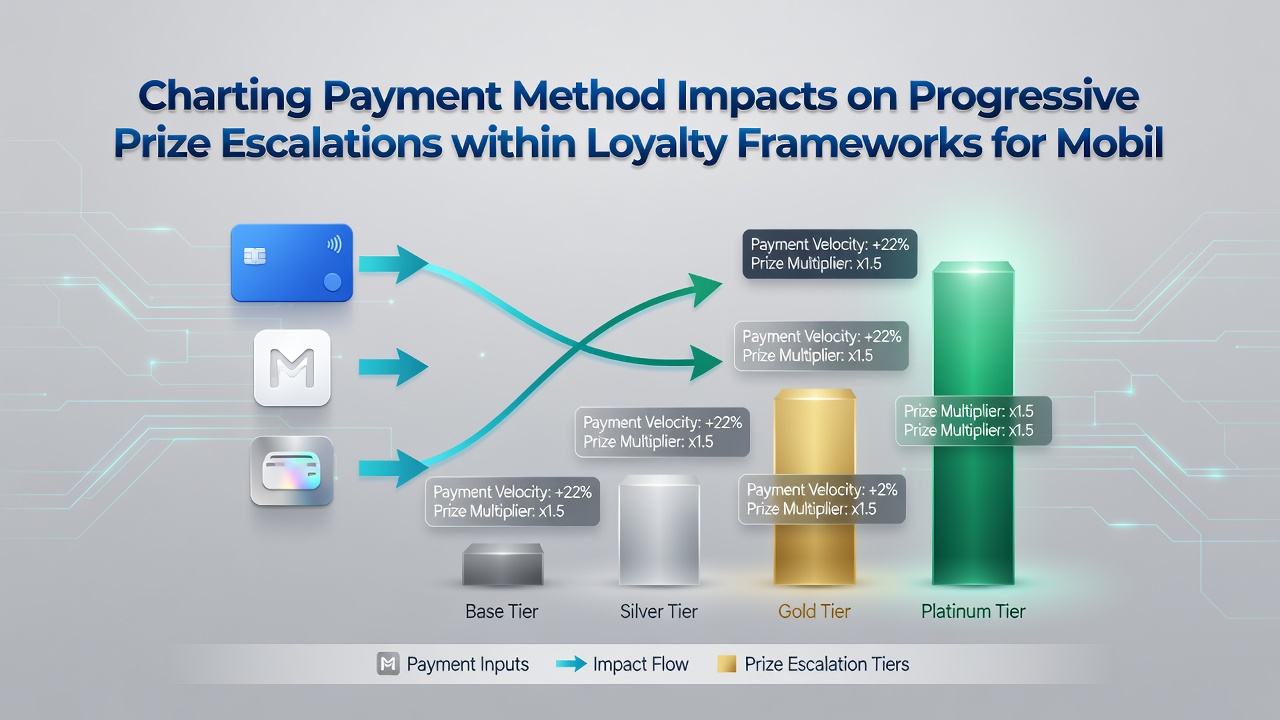
Regulatory bodies in North America and Europe track payment method usage through mandatory operator submissions, and these records demonstrate clear linkages between approved channels and loyalty reward velocity. The American Gaming Association compiles aggregate statistics that highlight how certain jurisdictions experience accelerated prize growth when instant payment rails dominate user preferences. Observers tracking these trends note that policy adjustments in August 2026 further clarified reporting requirements around loyalty escalations tied to deposit speed.
Australian oversight agencies apply similar scrutiny, with data releases showing that integrated banking apps correlate with higher average loyalty point yields per transaction compared to legacy card networks. These variations influence how operators design tier thresholds and progressive contribution percentages across different markets.
Platform Adaptations and Data Patterns
Mobile gaming operators adjust loyalty algorithms based on aggregated payment data, and internal metrics reveal that platforms prioritizing low-latency methods sustain steeper prize escalation curves over extended periods. Case examples from multiple operators illustrate how switching emphasis toward certain e-wallet providers produced measurable lifts in tier advancement rates among active user segments. Those reviewing the patterns find that these adaptations also stabilize jackpot funding during fluctuating transaction volumes.
Transaction volume spikes during promotional windows further expose differences, as faster methods capture more of the available multiplier opportunities before pools reset. Reports compiled by independent research groups confirm that loyalty frameworks respond proportionally to the proportion of instant versus delayed payments processed in any given interval.
Conclusion
Payment method selection continues to determine the pace and scale of progressive prize growth inside mobile gaming loyalty systems, with transaction characteristics feeding directly into reward calculation engines. Regulatory disclosures and platform analytics together establish consistent patterns across regions and time periods, while August 2026 updates added further transparency to these relationships. Continued examination of transaction data will clarify how evolving payment technologies intersect with loyalty mechanics moving forward.