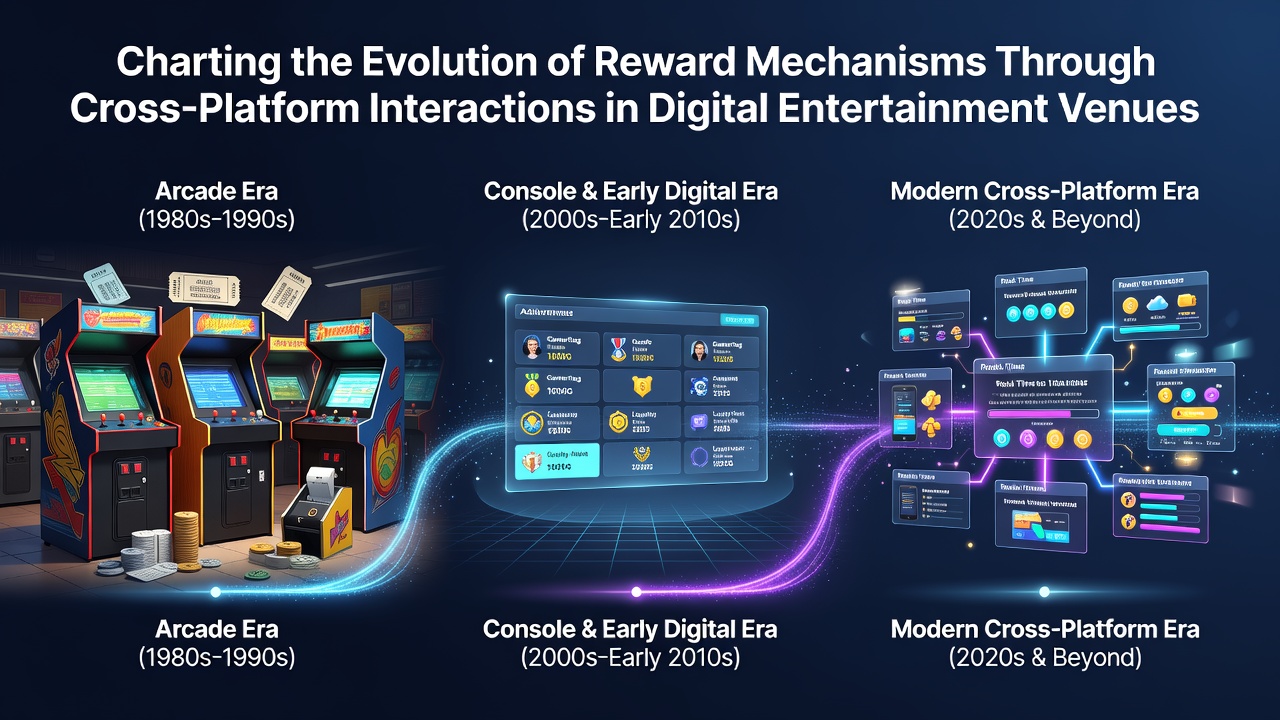
Tracing Developments in Reward Structures Across Platform-Integrated Digital Amusement Venues
Digital entertainment venues have undergone substantial changes in how they structure rewards since the early days of online platforms. Initial systems relied on isolated sign-up bonuses and basic loyalty points earned within single-device sessions, yet operators soon recognized the value of connecting activities across mobile apps, desktop sites, and tablet interfaces. Data from regulatory filings indicate that by 2023 many major platforms had begun testing unified player accounts that carried progress and incentives between environments, and this approach expanded further through 2025. Observers note that cross-platform interactions allow operators to monitor total engagement rather than isolated sessions. A player completing a reel sequence on a smartphone might receive a multiplier that applies automatically when the same account accesses a live dealer table on a desktop computer. Such mechanisms emerged as operators integrated backend systems capable of real-time synchronization, reducing duplication of effort for users while increasing overall session frequency across devices.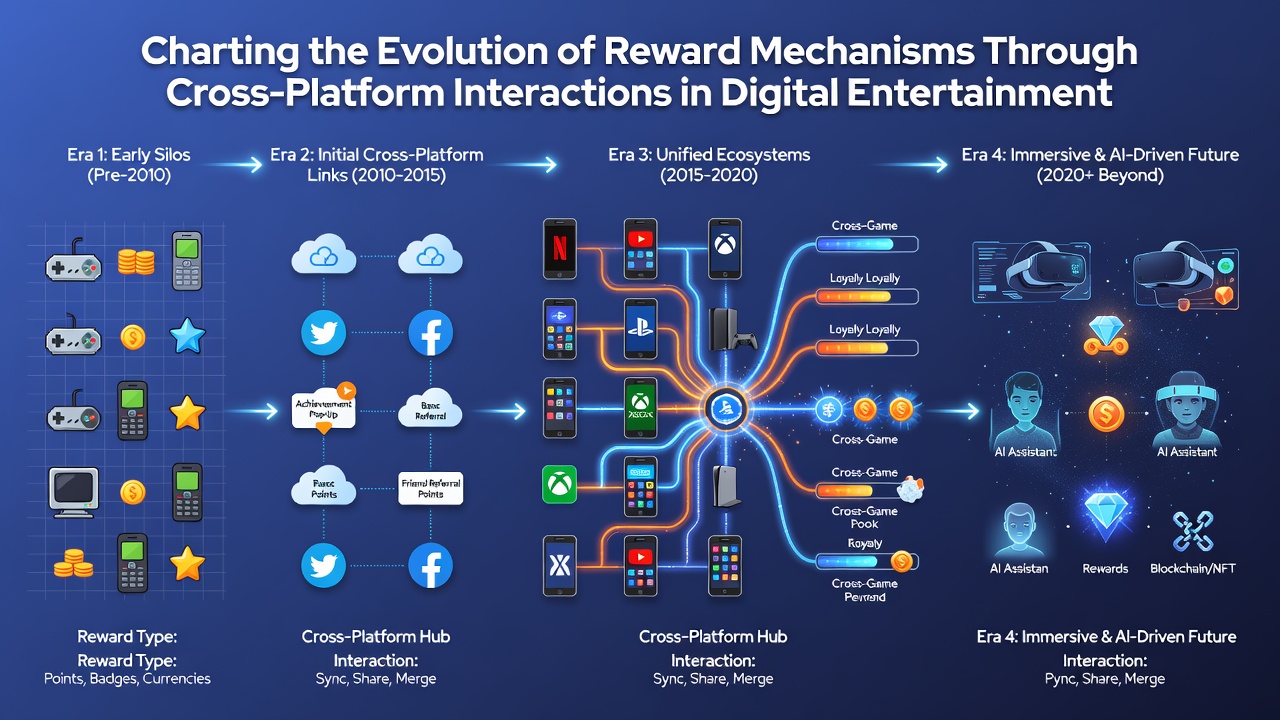
Digital entertainment venues have undergone substantial changes in how they structure rewards since the early days of online platforms. Initial systems relied on isolated sign-up bonuses and basic loyalty points earned within single-device sessions, yet operators soon recognized the value of connecting activities across mobile apps, desktop sites, and tablet interfaces. Data from regulatory filings indicate that by 2023 many major platforms had begun testing unified player accounts that carried progress and incentives between environments, and this approach expanded further through 2025. Observers note that cross-platform interactions allow operators to monitor total engagement rather than isolated sessions. A player completing a reel sequence on a smartphone might receive a multiplier that applies automatically when the same account accesses a live dealer table on a desktop computer. Such mechanisms emerged as operators integrated backend systems capable of real-time synchronization, reducing duplication of effort for users while increasing overall session frequency across devices.Early Models and Their Limitations
The first reward programs in digital venues operated independently on each platform. Mobile users collected spins or credits through one app, whereas desktop players accumulated separate points through a browser interface, and tablet experiences often functioned as a third silo. This fragmentation created friction because progress made on one device did not influence benefits available elsewhere. Industry reports from that period show average player retention suffered when individuals switched devices mid-session and lost accumulated value. Operators responded by introducing shared wallets and progress bars visible across all access points. By mid-2024 several large groups had deployed cloud-based profiles that updated instantly regardless of entry method. Those changes laid groundwork for more sophisticated layered rewards, where completing tasks on mobile unlocked higher-tier status that carried enhanced table limits or bonus percentages when the player later used a desktop setup.Integration of Real-Time Data and Tiered Benefits
Current systems rely on continuous data streams that track every interaction, from spin duration to bet size and device type. Platforms now calculate loyalty tiers using combined metrics rather than single-platform totals. Research compiled by gaming analytics firms demonstrates that players who engage across at least two device types within a single week generate measurably higher lifetime value than those who remain on one screen. In August 2026 several operators introduced seasonal challenges that required sequential actions on mobile followed by desktop confirmation to claim full prizes. These challenges typically involve collecting fragments of a jackpot meter during handheld play and then finalizing the sequence at a live dealer table on a larger screen. The structure encourages deliberate movement between platforms while maintaining a single unified balance and reward history.